

Key Takeaways:
- The price of powerful AI just fell 80%, from $1 to $0.20 per million input tokens, on OpenAI’s fastest model.
- ChatGPT now reaches about one billion people every week, and free users get unlimited text chats.
- Cheaper AI agents are moving into everyday products, from autocomplete to booking tools you never call “AI.”
There’s a quiet revolution happening, and it’s not about new sci-fi capabilities. It’s about price. In July 2026, OpenAI cut the cost of GPT-5.6 Luna its fastest, most efficient model by a staggering 80%, dropping input pricing from $1 to just $0.20 per million tokens. The output rate fell from $6 to $1.20 per million tokens at the same time.finance.
That single line in a changelog is worth more attention than most product launches. Because when the underlying cost of AI plummets, the changes ripple outward to nearly everything we touch the spell-check that quietly got smarter, the support chat that stopped stalling, the tools that book your travel while you type.
Here’s the context, the why, and what it actually means for you.
What Actually Changed
On July 30, 2026, OpenAI recalibrated pricing on its GPT-5.6 lineup. The flagship-tier model stayed put, but the workhorse models got much cheaper. The headline move: Luna, the speed-and-cost tier engine, now runs at a fraction of its former price.
| Model | Old Input | New Input | Old Output | New Output | Change |
|---|---|---|---|---|---|
| GPT-5.6 Luna | $1.00 | $0.20 | $6.00 | $1.20 | −80% |
| GPT-5.6 Terra | $2.50 | $2.00 | $15.00 | $12.00 | −20% |
| GPT-5.6 Sol | $5.00 | $5.00 | $30.00 | $30.00 | unchanged |
The real product shift came a week later. GPT-5.6 Luna became the default model for all free ChatGPT users, and those free tiers got unlimited text chats on it, plus a “Think” button for harder questions.
In practical terms the most capable everyday AI is no longer gated behind a subscription.
Why the Price Is Falling So Fast
It’s tempting to read this as simple generosity. It isn’t. Three forces are at work.
Efficiency. OpenAI says improvements in system efficiency made the reductions possible istic cost-per-token is genuinely dropping as models get better at doing more with less.
Competition. Cheap open-weight models have become shockingly capable. Chinese startups and open-source alternatives are pressure-testing the low end of the market, and proprietary providers are responding. When your rival charges a few cents, standing still at a dollar is a losing strategy.
Scale. When a model already runs for a billion people every week, tiny per-token margins still add up to a real business. Chatgpt’s user base roughly one billion weekly active users in mid-2026, per an OpenAI spokesperson makes low prices viable.
The real story isn’t a discount. It’s that the cost of intelligence has collapsed, and the whole product layer is rebuilding on top of the new number.
What Cheaper AI Means for You
Here’s where it gets personal. You don’t pay per token but you absolutely live downstream of the price.
Free tools just got better. Unlimited text chats on a capable model means your “free” assistant is no longer a crippled demo. It’s the real thing, and it stops punishing you with limits mid-thought.
Smarter defaults you never notice. The AI embedded in word processors, email, maps, and shopping apps can now run “always-on” instead of “only when you pay.” Price is the reason autocomplete feels sharper this year.
Small creators and businesses. Anyone building with OpenAI’s API a local shop automating replies, a YouTuber generating captions, a tutor building practice problems just saw their per-unit cost drop 80%. That’s the difference between a tool that’s a nice-to-have and one that pays for itself.
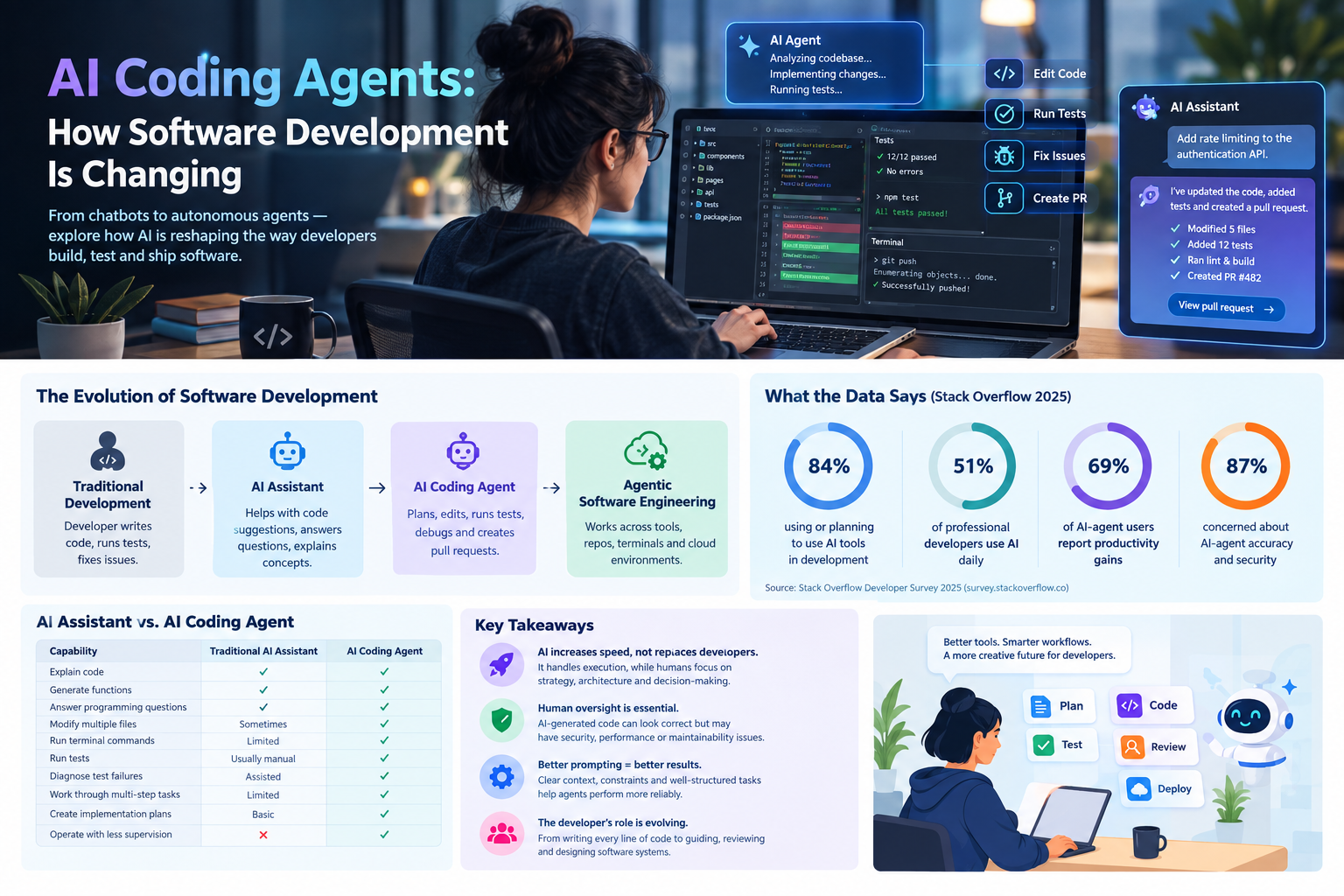
AI agents are moving in. This is the quiet trend beneath the noise. When AI is cheap, you can afford to let it act make the reservation, draft the email, file the expense, reorder the paper. Agents are sliding into everyday products not because they suddenly got smarter, but because running them stopped being expensive.
Cheaper isn’t free in every sense. Unlimited access can strain systems, and providers lean on “abuse guardrails” to keep things honest. There’s also a real question of quality an ultra-cheap model rushed to market may quietly cut corners. The good news: GPT-5.6’s retune reportedly slashed factual errors by 68% in one internal evaluation, a reminder that the newest waves are focusing on reliability, not just price.
Frequently Asked Questions
Will AI keep getting cheaper?
Most analysts expect prices to keep falling, driven by efficiency gains and open-weight competition the current price war shows little sign of stopping.
Is “unlimited” ChatGPT actually unlimited?
Mostly, on text chats but file uploads, images, and other heavy tools still have caps, and it applies to Free and Go tiers, not Plus and Pro.
Does a cheaper model mean worse answers?
Not necessarily. Luna is the speed-and-cost tier, ideal for everyday tasks; OpenAI still offers deeper-reasoning models like Sol for harder problems.
Who benefits most from the price cuts?
Everyday users (better free tools) and small builders (an 80% drop in API costs), but large enterprises win too through lower operating bills.
Where This Goes Next
The 80% cut isn’t the end of the story it’s the beginning of a new one where AI stops being a premium feature and becomes everyday infrastructure. When the cost of intelligence collapses, the winners aren’t the companies with the biggest models; they’re the ones who build the most useful, cheapest things on top of them.
So here’s the call to action: go test the new default. Ask OpenAI’s free model something you used to pay for, watch an app you already own get subtly smarter, or start sketching that side project you shelved because the API bill scared you. In an era where AI costs a fifth of what it did last month, the only wrong move is assuming it still does.